
Coccidiosis
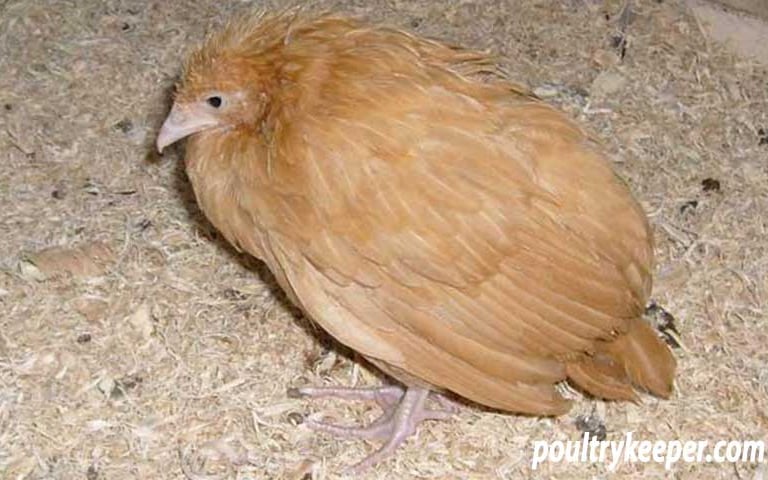
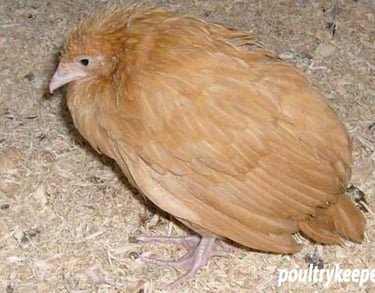
Coccidiosis is a parasitic disease in chickens caused by protozoa of the genus Eimeria. The infection leads to intestinal damage, resulting in symptoms such as diarrhea, weight loss, and lethargy. To treat coccidiosis at home, it is important to isolate affected birds and provide supportive care, which includes ensuring fluid intake, good nutrition, and possibly administering coccidiostats or medicated feed as recommended by a veterinarian.
Look out for:
• Diarrhea
• Weight loss
• Poor appetite
• Lethargy
• Dehydration
• Ruffled feathers
• Blood in feces
Avian Influenza (Bird Flu)


Avian influenza, commonly known as bird flu, is a viral infection that can affect chickens and other birds. Symptoms in chickens may include sudden death, decreased egg production, respiratory distress, and neurological signs. Common treatments at home for infected chickens include ensuring they have access to clean water and nutritious food, maintaining good hygiene in the coop to prevent the spread of the virus, and isolating any sick birds from the healthy flock. It's important to consult with a veterinarian for proper diagnosis and treatment options.
Common Symptoms:
• Lethargy
• Decreased egg production
• Swollen head and neck
• Respiratory distress
• Coughing or sneezing
• Diarrhea
• Isolation from the flock
• Sudden death
Marek's Disease


Marek's disease is a viral infection affecting chickens, caused by the Marek's disease virus (MDV). It primarily causes tumors in various organs and may lead to paralysis. Symptoms can include weight loss, lack of appetite, drooping wings, and difficulty walking. Common at-home treatments for Marek's disease focus on supportive care, as there is no cure. This includes providing a stress-free environment, ensuring good nutrition, maintaining hydration, and isolating affected birds to prevent the spread of the virus.
Newcastle Disease


Newcastle disease is a contagious viral infection that affects chickens and can cause respiratory issues, reduced egg production, nervous system disorders, and even death. Home treatments for Newcastle disease in chickens include providing a balanced diet rich in vitamins and minerals, ensuring access to fresh water, and practicing good biosecurity measures to prevent the spread of the virus. It is also crucial to isolate any infected birds and consult a veterinarian for appropriate interventions.
Fowl Pox
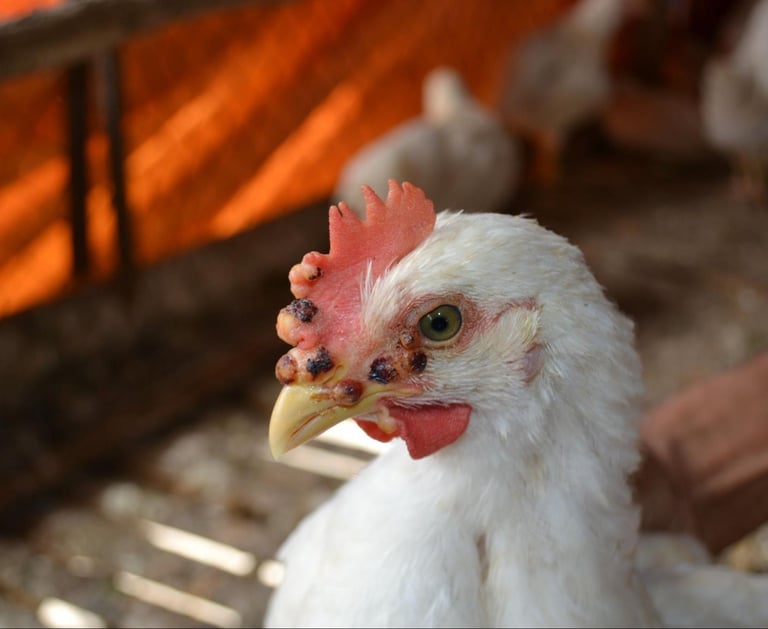
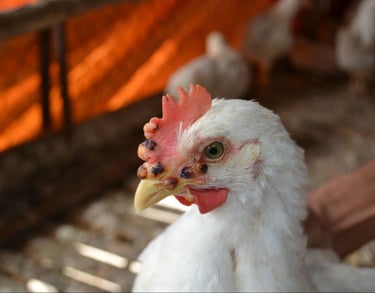
Fowl pox is a viral disease that affects chickens, characterized by the formation of scabs on the skin and lesions in the mouth and throat. The disease is primarily caused by the avian poxvirus, which spreads through direct contact or via mosquitoes. Symptoms may include loss of appetite, difficulty breathing, and weight loss. Vaccination is an effective method to prevent outbreaks in flocks.
Infectious Bronchitis


Infectious bronchitis is a highly contagious viral disease that primarily affects chickens, leading to respiratory issues. The virus targets the respiratory tract, causing symptoms such as coughing, sneezing, and nasal discharge. It can also impact egg production, resulting in decreased egg quality and quantity. Vaccination is crucial for preventing the spread of the disease within flocks.
ContACT ME
Design
kaylascustomworkshop@gmail.com
(854) 276-9004
© 2025. All rights reserved.